
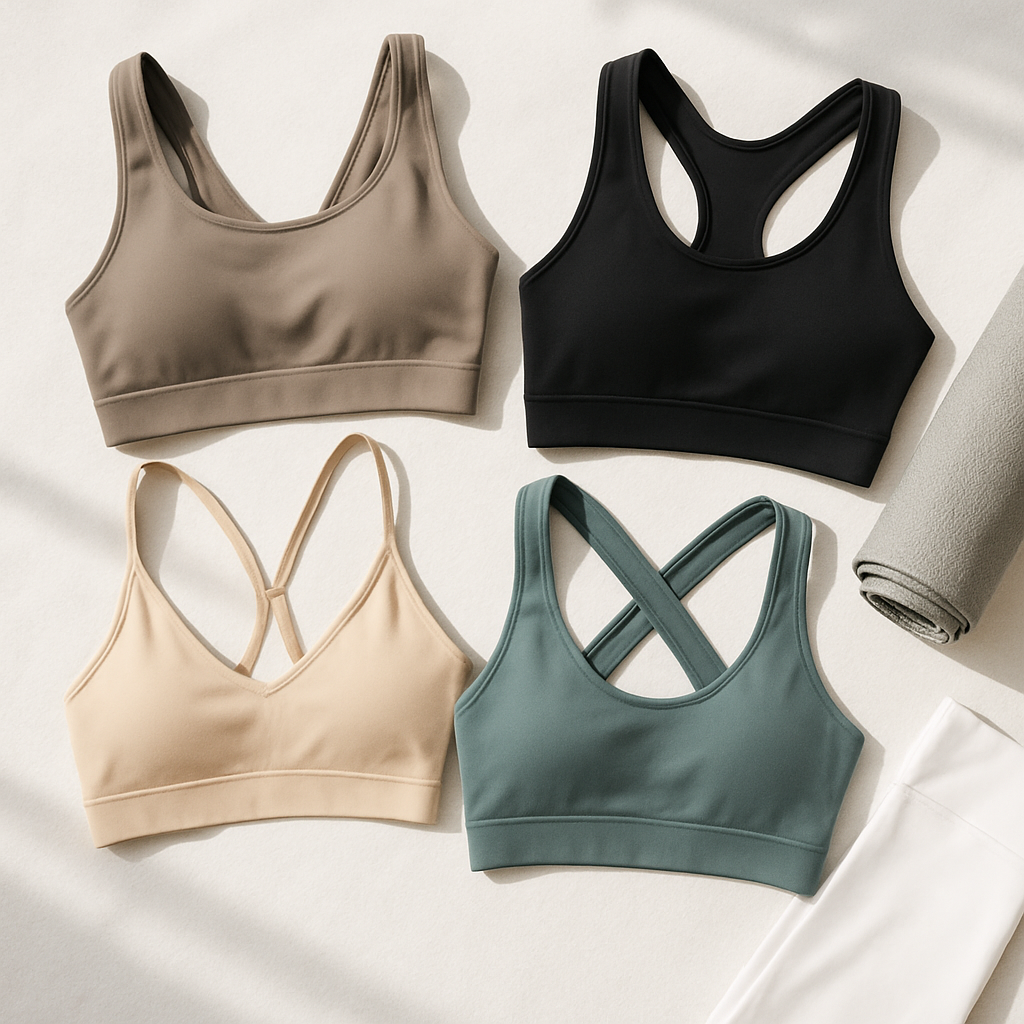
The best sports bra styles for yoga, Pilates, and everyday training focus on comfort, flexibility, and the right level of support for each activity. Choosing the right bra depends on your personal preferences, the intensity of your workout, and your desired fit.
What Are the Main Sports Bra Styles for Yoga, Pilates, and Everyday Training?
When picking a sports bra for yoga, Pilates, or general training, most options fall into three main styles: compression bras, encapsulation bras, and hybrid bras. Each style offers a different approach to support and comfort, which is especially important for low- to medium-impact activities like yoga and Pilates.
- Compression bras: These bras press the breasts against the chest to minimize movement. They’re often pullover styles without separate cups and work well for smaller busts and low-impact activities.
- Encapsulation bras: These have individual cups that support each breast separately, providing more defined shape and moderate support. They’re a good fit for those who want more structure, regardless of bust size.
- Hybrid bras: Combining compression and encapsulation, hybrid bras offer both shape and control. They’re versatile, making them suitable for a wide range of activities and body types (Nike HU).
Compression bras are especially popular among those who practice yoga and Pilates because the movements in these disciplines are smoother and involve less bouncing or sudden impact. For example, in a typical yoga class, you might move slowly between downward dog, warrior poses, and seated stretches. A compression bra will gently hug your body, reducing distraction and allowing for freedom of movement. Many yogis prefer the seamless, second-skin feel of compression bras for these reasons.
On the other hand, encapsulation bras are often chosen by people with medium to large busts who want a more contoured look and extra support. If your Pilates routine includes moves like hundreds, leg circles, or teasers, an encapsulation bra can help keep each breast in place, reducing strain on your shoulders and back. These bras often have adjustable straps and back closures, making it easier to customize the fit and support level.
Hybrid bras offer the best of both worlds, which is why they’re increasingly common in activewear collections. For instance, if you plan to go from a morning yoga flow to a brisk walk or quick cycle session, a hybrid bra with both compression and encapsulation elements will adapt to the demands of different activities. Many brands now offer hybrid bras with molded cups embedded within a seamless compression shell, ensuring both comfort and shape. These bras can also be particularly helpful during workouts that transition between low and moderate intensity, such as circuit training or HIIT-inspired Pilates classes.
How Do I Decide Which Sports Bra Style Suits My Activity?
The right style depends on the intensity of your workout and your comfort needs. For yoga and Pilates—where movement is controlled and impact is low—a light- or medium-support bra is usually enough. Everyday training might involve more varied activities, so you might want a bit more support and coverage.
Understanding how your chosen activity impacts your body will help you select the ideal bra. For example, yoga classes often involve inversions and deep stretches, so a bra that stays in place and moves with you is essential. If you’re practicing hot yoga, moisture-wicking materials and ventilation become even more important. Pilates, while also low-impact, sometimes involves rapid transitions or exercises on equipment like the reformer, where extra coverage or a firmer band can help you feel more secure. For strength training, circuit classes, or cycling, you may encounter more dynamic movement or repetitive upper body work, making a medium-support hybrid or encapsulation bra a wise choice for comfort and stability.
Here’s a quick comparison to help guide you:
| Activity | Recommended Bra Style | Support Level |
|---|---|---|
| Yoga | Compression or Hybrid | Light to Medium |
| Pilates | Compression or Encapsulation | Light to Medium |
| Everyday Training (e.g., circuit, cycling) | Hybrid or Encapsulation | Medium |
For those who like to combine activities—say, a gentle vinyasa flow followed by a bike ride to the cafe—hybrid bras are an excellent investment because they adapt to a range of intensities. If you’re focusing on core work or Pilates mat classes, you might prefer a compression style with minimal hardware for maximum comfort against the mat. In contrast, if your schedule includes more intense sessions or you have a larger bust, an encapsulation or hybrid bra with adjustable features will provide the support and customization you need.
It’s also helpful to consider your personal comfort preferences. Some people dislike feeling “locked in” and choose bras with lighter support and fewer seams, while others prefer a more structured fit to avoid any movement or chafing. Take time to reflect on how you feel during and after your workouts, and use that feedback to guide your choices. Remember that fit can change over time, especially if your training routine or body shape evolves.
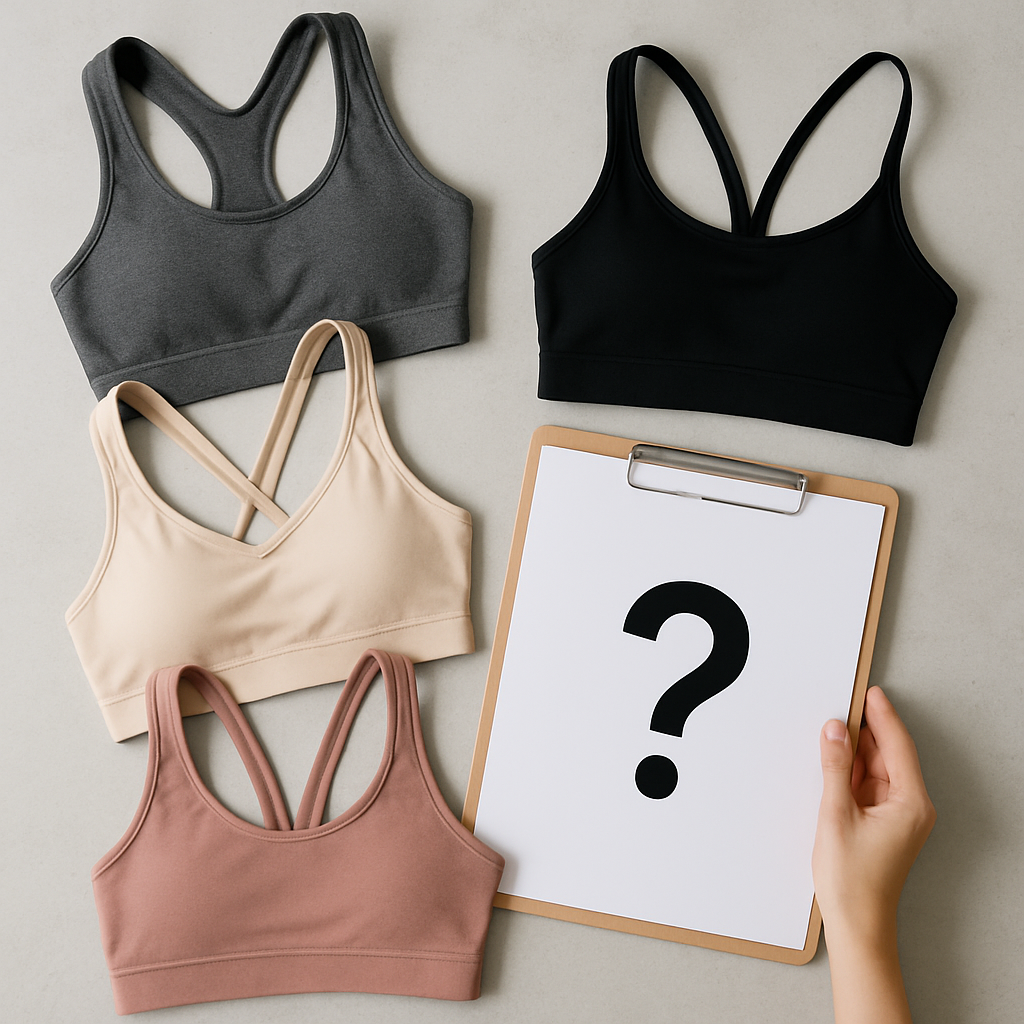
What Features Should I Look for in a Sports Bra for Comfort?
Comfort is key, especially when you’re moving, stretching, or holding poses. Here are the main features to consider:
- Material: Look for soft, moisture-wicking fabrics to keep you dry and comfortable. Avoid materials that chafe or feel scratchy.
- Seam placement: Flat seams or seamless designs reduce irritation during movement.
- Straps: Wider, adjustable straps can help distribute pressure and prevent digging into your shoulders.
- Band fit: The band should feel snug but not tight; it’s responsible for most of the support.
- Removable pads: These let you adjust shape and coverage based on your preference.
When evaluating the comfort of a sports bra, it’s important to think about the entire fabric experience. High-quality sports bras for yoga and Pilates often use performance blends such as nylon, polyester, and spandex. These materials ensure flexibility and stretch, which is essential for poses that require a wide range of motion. For example, a bra with a high spandex content will move with your body while maintaining its original shape, even after repeated wear and washing. Some brands offer bras with mesh panels or laser-cut ventilation zones to increase airflow, which is especially useful in heated studios or outdoor summer workouts.
Seam placement deserves special attention. Traditional bras may have seams that rub under the arms or across the bust, but for activities with a lot of arm or torso movement—like Pilates roll-ups or yoga twists—flatlock or bonded seams help prevent chafing. Seamless bras are increasingly popular because they offer a smooth, irritation-free feel. If you have sensitive skin, consider bras labeled as “seamless” or those made with soft thread and minimal hardware.
Straps can make or break a sports bra’s comfort. Narrow straps may dig into your shoulders during longer sessions, while wider straps distribute weight more evenly. Adjustable straps allow you to customize the fit, which is valuable if your body changes throughout your cycle or with seasonal training shifts. Racerback straps provide enhanced support and freedom of movement in the shoulders, which is ideal for poses like downward dog or Pilates arm work. Convertible straps are also available on some styles, letting you switch between straight and crisscross configurations based on your outfit or activity.
The band is the foundation of any sports bra. It should sit flat against your ribcage without riding up or feeling restrictive. A band that’s too loose won’t offer enough support, while one that’s too tight can cause discomfort or restrict breathing during deep stretches. Some bras feature wide, plush bands for added comfort, while others use reinforced elastic with moisture-wicking linings to prevent sweat buildup. If you often find yourself adjusting your bra during class, try a different band width or closure style.
Removable pads offer flexibility in both shape and function. Removable pads are also practical for adjusting modesty when wearing lighter-colored tops or for adding warmth during cooler months. Just be sure to remove pads before washing to help them maintain their shape and prevent bunching.
For more guidance on selecting the right fit and support, Nike’s guide to choosing a sports bra explains how fit and style affect comfort and performance.
Which Sports Bra Styles Work from Studio to Street?
If you want a bra that transitions easily from your morning stretch to errands or a coffee run, opt for styles with a clean, simple silhouette and neutral colors. Racerback bras are popular for their support and style, while longline bras (with a wider band under the bust) can double as crop tops for casual wear. These designs blend performance and fashion, making them perfect for all-day comfort.
Studio-to-street sports bras have become a fashion staple, reflecting the rise of athleisure. For example, a seamless ribbed longline bra in black or deep green can be paired with high-waisted leggings at yoga class and then topped with an oversized denim jacket for brunch. Color-blocked designs and subtle mesh panels add visual interest without compromising function. If you gravitate towards minimalist dressing, look for bras with understated branding, matte finishes, and versatile hues like gray, navy, or blush.
Layering is another key to making sports bras work from studio to street. Many modern designs can be worn under open-back tanks, loose tees, or even blazers for an unexpected casual-chic vibe. If you prefer more coverage, opt for a bra with a scoop neck and a longer band—these can substitute for a cropped tank on warm days. Some people even style longline sports bras with joggers or casual skirts for errands, travel, or lounging at home. The right sports bra can serve as both an undergarment and a statement piece, providing support and confidence wherever your day takes you.
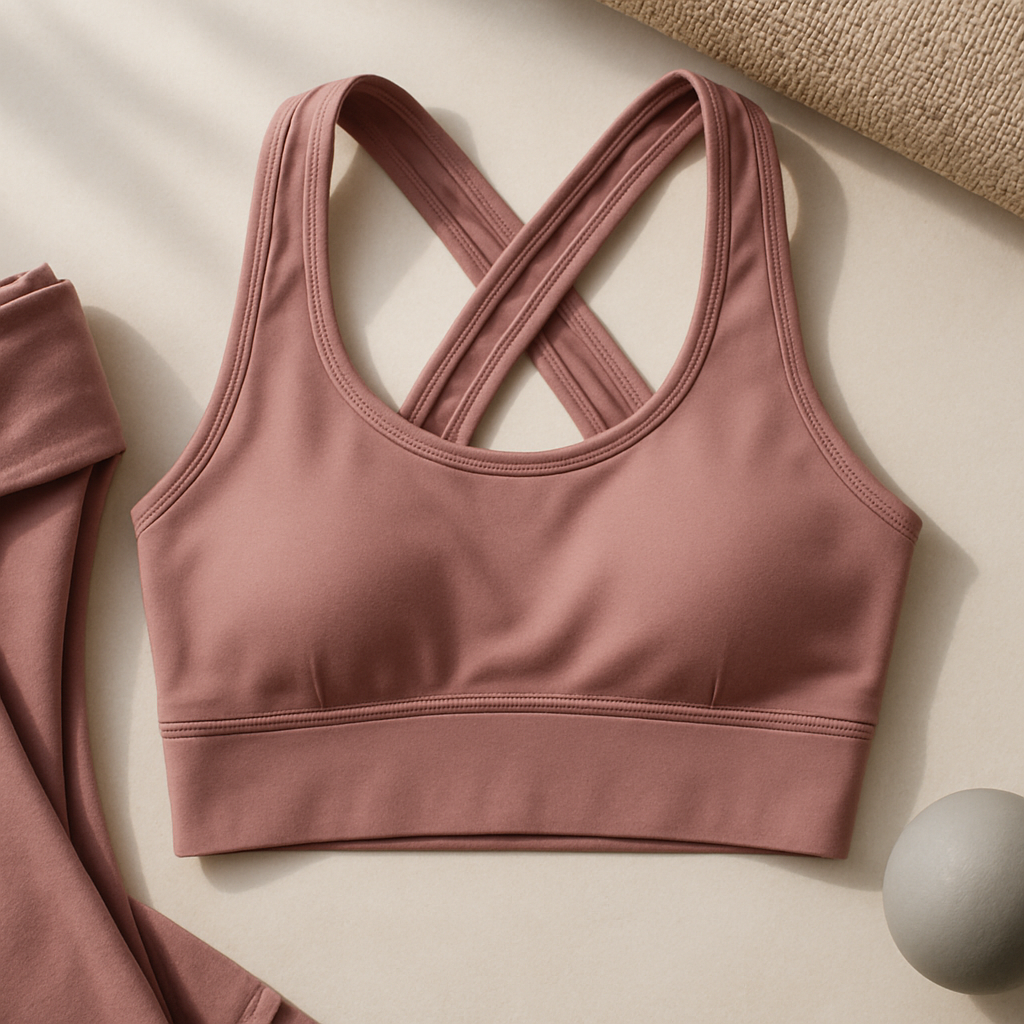
When considering versatility, pay attention to details like strap configuration and hardware. Racerback or cross-back straps often hide easily under most tops, while bras with decorative back details can add a pop of style when worn with open-back shirts. Some brands are now making sports bras with subtle built-in pockets for keys or cards, making them even more practical for life on the go. From sleek monochrome to textured knits, studio-to-street bras make it easy to transition from workout to weekend without missing a beat.
You can find more tips on how to blend workout gear with everyday outfits in this guide to gym-to-street style.
How Do I Find the Best Fit for My Body?
Getting the right fit is just as important as choosing the right style. Here’s a step-by-step guide to help you find your size and ideal bra:
- Measure your ribcage directly under your bust for the band size.
- Measure around the fullest part of your bust for your cup size.
- Use sizing charts from brands you trust, as sizing can vary.
- Try on bras and move around—raise your arms, twist, and bend to test comfort and support.
- Check for gaping, digging, or riding up, and adjust as needed.
To get the most accurate fit, use a soft tape measure and take measurements while wearing an unpadded bra or no bra at all. When measuring your ribcage, ensure the tape is level and snug, but not squeezing your skin. For the bust measurement, stand upright and relax your arms at your sides. Record both numbers in inches or centimeters, then refer to each brand’s specific chart—many brands differ slightly in how they define their sizes. For example, a size medium in one activewear line might equate to a small or large elsewhere.
When trying on a sports bra, don’t just stand still in the fitting room. Mimic movements you’ll do during workouts: reach overhead, twist at the torso, and bend forward. The band should stay in place without riding up, and the straps should not slip off your shoulders or dig in. If the cups are wrinkling, gaping, or compressing your bust uncomfortably, try a different size or style. Some brands offer half sizes or extended sizing, which can help you achieve a more personalized fit. If you’re shopping online, check for generous return policies to allow for at-home try-ons.
If you notice chafing, redness, or pressure marks after wearing a bra for a workout, it’s likely too tight or the seams are in the wrong places for your body shape. On the other hand, if you experience excessive movement or lack of support, especially during more dynamic activities, try a higher-support style or a firmer band. Remember, a well-fitting sports bra should feel supportive but never restrictive; you should be able to breathe deeply and move freely in all directions.
If you’re feeling overwhelmed by options, start with a medium-support hybrid bra in a soft, stretchy fabric. As you get more confident in your preferences, you can branch out to specialized styles and fits.
It’s also worth noting that your sports bra needs may change over time due to factors like weight fluctuations, pregnancy, or changes in your training routine. Regularly reassess your fit and comfort, and don’t hesitate to replace bras that have lost their elasticity or no longer provide adequate support. A good sports bra is an investment in your comfort, performance, and confidence—both in and out of the studio.
For even more confidence in your daily wardrobe, you might enjoy this article on finding confidence with luxury activewear.
Frequently Asked Questions about Sports Bra Styles
Can I wear the same sports bra for yoga, Pilates, and other workouts?
You can, as long as the bra offers the right support and comfort for each activity. For lower-impact workouts like yoga and Pilates, light to medium support usually works. For higher-impact moves, consider a medium or hybrid style for extra stability.
How often should I replace my sports bra?
Most sports bras should be replaced every 6-12 months, depending on how often you wear and wash them. If you notice loss of elasticity, stretched straps, or decreased support, it's time for a new one.
Are underwire sports bras better for everyday training?
Underwire bras can provide extra lift and support, especially for larger busts or higher-impact activities. However, they may feel restrictive for yoga or Pilates, so choose based on your comfort and activity type.
What if I’m between sizes?
If you’re between sizes, try both and pay attention to how each feels during movement. Adjustable straps and bands can help fine-tune the fit, and removable pads can also help with minor size differences.
Is it okay to wear a sports bra as a top outside the gym?
Absolutely! Many modern sports bras are designed with style in mind and can be worn as crop tops or as part of a layered outfit. Just make sure you feel comfortable and supported for your day’s activities.

1 thought on “Sports Bra Styles for Yoga, Pilates, and Everyday Training: A Beginner’s Guide to Comfort and Support”