
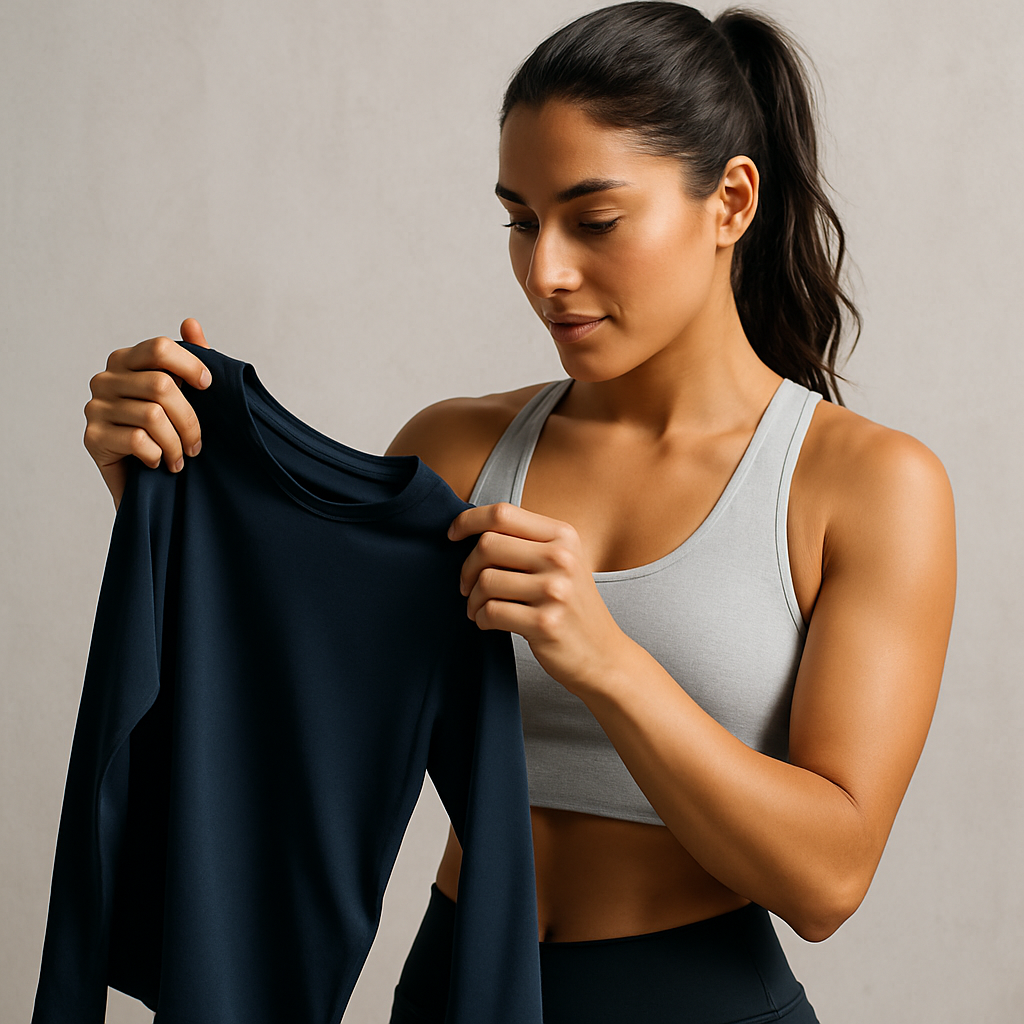
Discovering the Real Difference: My Introduction to Premium Activewear
I’ll be honest: when my friends used to gush about their “life-changing” luxury leggings or the latest technical workout tops, I couldn’t help but roll my eyes a little. I mean, how different could a pair of spandex pants really be? Weren’t these just overpriced versions of what you can snag at any big-box retailer? For most of my life, I was a proud bargain hunter—especially when it came to gym clothes. But that all changed a few years ago, thanks to a birthday present I never expected: a pair of high-end running tights. Suddenly, I found myself rethinking everything I thought I knew. As someone who’s always loved being active but hated spending more than necessary, I was genuinely surprised by how different they felt compared to the budget brands filling my drawer. That single experience kicked off what I jokingly call my “activewear awakening”—and sent me down a rabbit hole of researching what makes premium activewear actually worth it. I started testing out different brands, got a little nerdy about fabric technology, and learned (sometimes the hard way) what features actually matter. Here’s what I discovered, and why I think the upgrade is honestly a game-changer.
Fabric Science: Why The Material Actually Matters
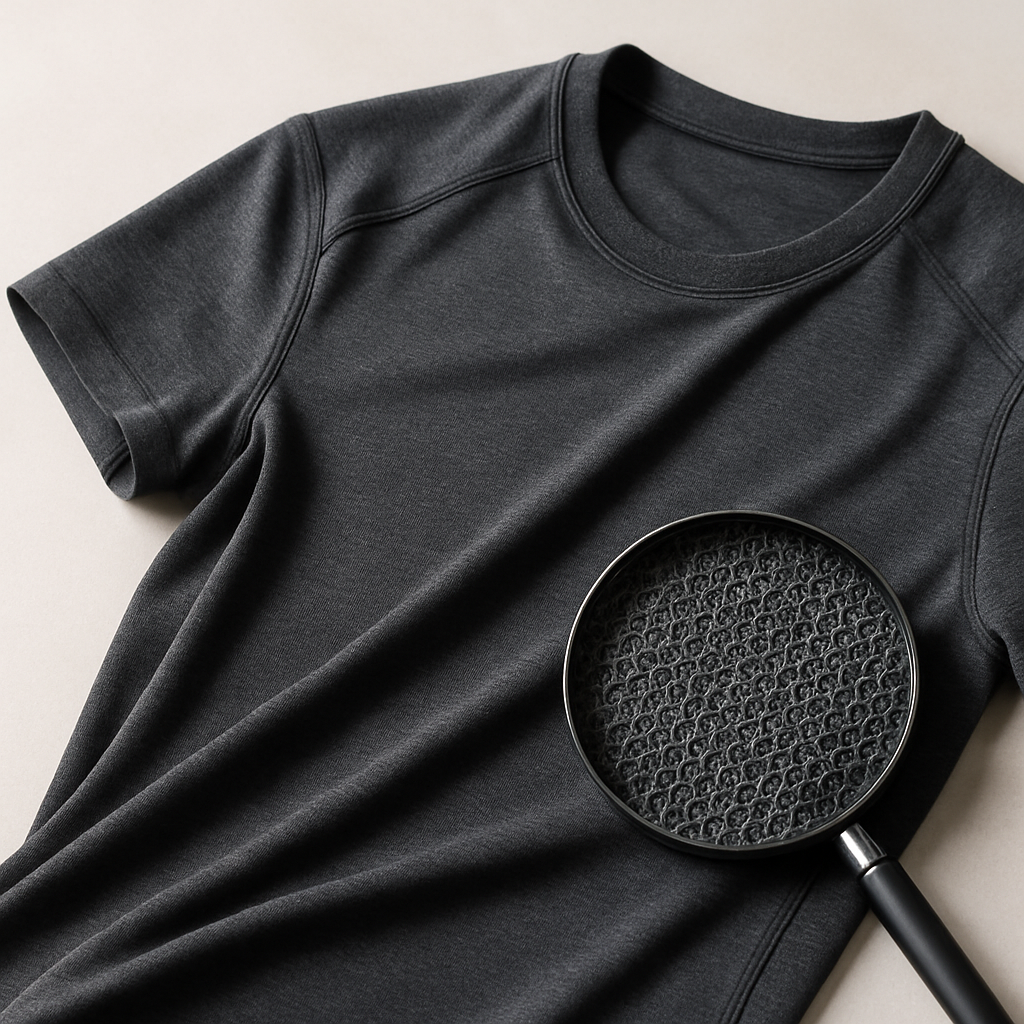
Let’s talk fabric, because that was the first thing I noticed with premium activewear—and honestly, it blew me away. Not every polyester or nylon blend is created equal, it turns out. The brands commanding those higher price tags are pouring money into some seriously impressive textile innovation: moisture-wicking technology, four-way stretch, breathability, and even anti-odor finishes. For example, Lululemon’s Luon and Nike’s Dri-FIT aren’t just fancy marketing—they’re engineered fabrics designed to actively pull sweat away from your skin and dry in record time. Sure, comfort is a huge part of it (and I’ll admit, I’m now a total comfort snob), but the impact goes deeper. There’s actual science behind how these materials can boost performance and even aid recovery. One 2020 review in the Journal of Sports Sciences found that moisture-wicking fabrics can prevent skin irritation and help regulate your body temperature way better than standard cotton or cheap synthetic blends, especially during those longer, sweatier workouts.
In my own training, I honestly noticed the difference pretty fast—especially during long runs or brutal HIIT workouts. Instead of feeling like a soggy, chafed mess by the end, I stayed dry and comfortable. And don’t get me started on compression fabrics (another staple of higher-end activewear): they can support your muscles and even boost circulation, something I really appreciated the day after pushing myself extra hard. Sure, there’s debate about just how much compression helps, but several small studies do suggest it can cut down on that post-workout soreness. So, while premium fabrics might sound luxurious, they’re really about comfort, performance, and sometimes even saving your skin—literally.
Design Details: Thoughtful Features That Change the Game
Once I started actually comparing my new “fancy” gear to the cheap stuff, the little design touches became impossible to ignore. There’s a real difference between activewear that’s designed for movement and clothes that you simply can move in. With premium brands, you get features like flatlock seams (which help prevent chafing), gusseted crotches, and clever mesh panels right where you need them. Those flatlock stitches, for instance? They can mean the difference between a comfortable half marathon and a day spent regretting your outfit choices. Plus, the fit is just… better. Waistbands stay put, leggings don’t turn into saggy baggy disasters, and your shirt doesn’t decide to creep up your back every time you do a burpee. Brands like Athleta and Sweaty Betty actually put their designs through the wringer, testing them on real athletes and tweaking them based on real feedback—which, as someone who’s had plenty of wardrobe malfunctions at the gym, I definitely appreciate.
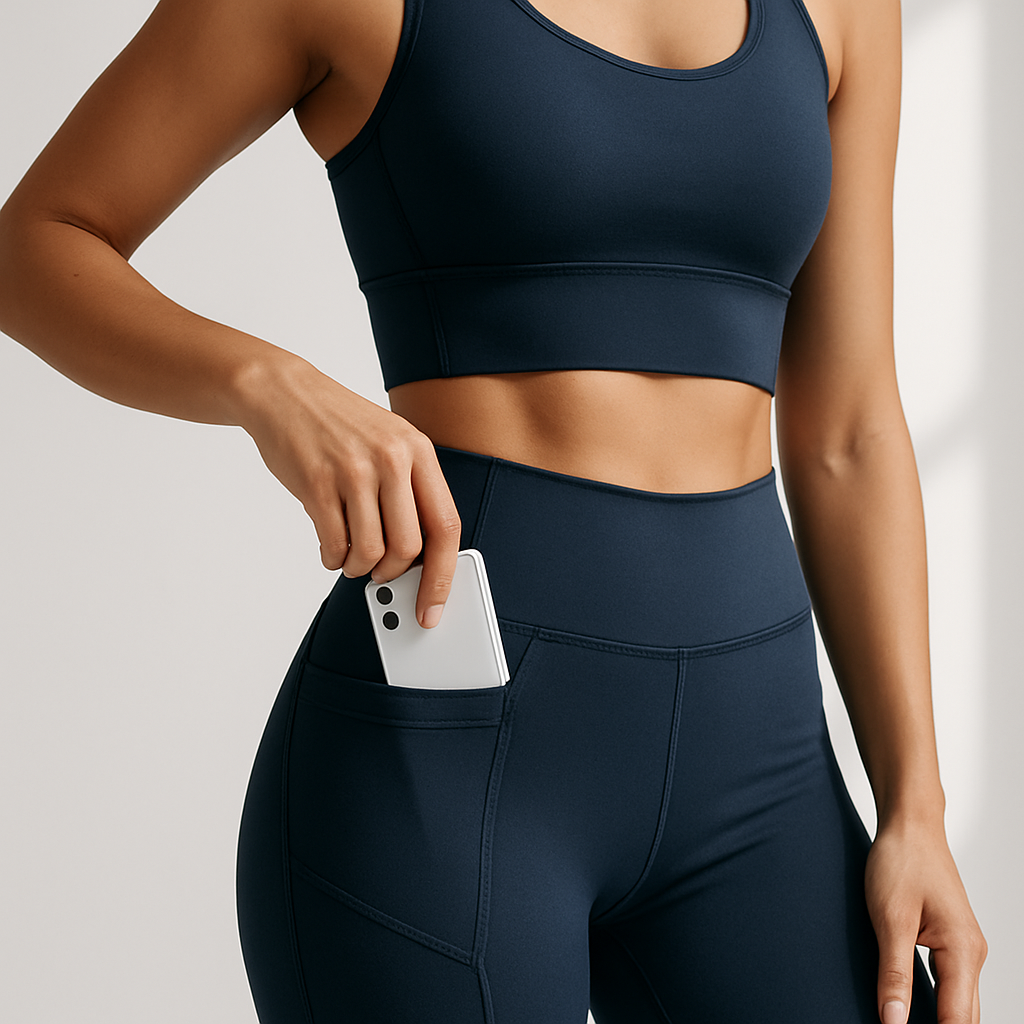
And can we talk about pockets for a second? Real, deep, bounce-free pockets that actually hold your phone or keys—absolute game changers. You never realize how annoying it is to have your phone smacking against your leg mid-run until you’ve experienced a pair of leggings that actually solves the problem. Premium lines also sneak in thoughtful extras like reflective details for night runs, hidden zippered pouches for valuables, or quick-adjust straps. Not every feature is essential for every workout, but when you need them, you really notice. Now, whenever I see these little upgrades, I take them as proof that the designers know what it’s like to actually use the gear themselves—or at least have listened closely to people who do.
Durability and Longevity: The Economics of Cost Per Wear
Okay, let’s address the elephant in the room: the price tag. There’s no denying that premium activewear can feel like a serious splurge—sometimes two or three times as much as the cheap alternatives. But here’s the thing: in my experience, the better stuff genuinely lasts much longer. My original pair of Lululemon tights are still going strong after five years of regular washes and workouts. Meanwhile, some of my old bargain finds barely survived a single winter before stretching out, fading, or becoming “see-through” (yup, that happened during squats). The difference isn’t just my own anecdote—a 2019 Consumer Reports review found that higher-end activewear brands consistently outperformed cheaper ones when it came to fabric integrity and stretch after repeated laundering.
It wasn’t until I started calculating the cost per wear that things really clicked. If I pay $100 for a pair of leggings that lasts five times longer than my $25 pair—and feels comfier every single time I pull them on—suddenly the math makes sense. It’s really an investment in comfort, reliability, and fewer wardrobe headaches. I’ve also noticed that I shop less impulsively now. Instead of ending up with a drawer full of “meh” pieces, I have a handful of favorites I reach for every time. It’s a more mindful (and, let’s face it, less cluttered) approach to both fitness and fashion. Plus, I like knowing I’m reducing waste just by choosing quality over quantity.
Mindset, Motivation, and Feeling Good in Your Gear
There’s a mental boost that comes from wearing premium activewear, and I feel like it doesn’t get talked about enough. For me, slipping into a flattering, well-made outfit before a workout makes me want to get moving. It’s almost like putting on a superhero costume—it signals to my brain that “it’s time to do this.” There’s actual research to back this up, too; the concept of enclothed cognition suggests that our clothes really do impact our mindset and performance. One 2012 study in the Journal of Experimental Social Psychology showed that wearing clothing associated with an activity (like a lab coat for scientists, or activewear for athletes) actually boosts focus and motivation for that task.
In my case, I honestly find myself sticking to my workout routine more consistently when I’m excited about what I’m wearing—even if I’m just rolling out my mat at home. It’s a confidence thing, too. I feel better about myself, which makes me perform better, and—let’s be real—enjoy the process a lot more. It’s not about impressing anyone at the gym; it’s about feeling like the best version of myself, whether I’m at a class or sweating it out in my living room. For me, that feeling is strongest with those premium pieces that seem almost custom-made for my body or my style. Sometimes, it’s a bold pattern that makes me smile. Other times, it’s just that perfect, locked-in fit.
The Eco and Ethical Upside: Beyond the Personal Benefits
One more thing that’s nudged me toward premium activewear: the growing focus on sustainability and ethical production. A lot of high-end brands are really stepping up, switching to recycled materials, lowering their water usage, and prioritizing fair labor practices. Take Girlfriend Collective, for example—they actually make their fabrics out of recycled water bottles. Patagonia is another standout; they’re refreshingly open about how and where their gear gets made. None of these brands are flawless, of course, but it’s a welcome shift from the “fast fashion” mindset that dominates the bargain scene.
Honestly, knowing that my purchases can—even in a tiny way—support better industry practices just makes me feel better about where my money’s going. It’s satisfying to invest in pieces made to last, crafted with care for both the workers and the environment. Of course, I’ve learned the hard way that price doesn’t always equal ethics or sustainability, so I try to do some digging and check brand policies before I buy. But in general, I feel like premium activewear gives me a lot more ways to align my shopping habits with my personal values—which is something I didn’t expect to care about, but now really do.
In summary: The argument for premium activewear goes way beyond status symbols or fancy style—though hey, there’s nothing wrong with enjoying a sharp-looking outfit. It’s about comfort, clever design, lasting quality, and that extra bit of motivation. More than anything, it’s about choosing gear that actually supports you—both physically and mentally—on your fitness journey. You definitely don’t have to spend a fortune to get started, but in my experience, having even just a couple of truly great pieces makes every workout feel better. So if you’ve ever wondered whether premium activewear is actually worth it, my answer is a wholehearted yes—and probably for a lot more reasons than you’d expect.
More Stories
your recent baleaf Women’s Fleece Lined Leggings Tights Water Resistant Hiking Pants Review 2026: Wa…
The Ultimate Guide to Black Activewear Essentials Every Woman Should Own
From Gym Floors to Fashion Runways: Athletic Aesthetics and the Rise of Luxury Activewear