

Why One Idea Is the Key to Sustainable Content
We’ve all heard the phrase “content is king,” right? But honestly, there’s a little more to the story. The real magic doesn’t come from just cranking out post after post—it’s all about having a thoughtful strategy behind your content. Here’s what usually happens: bloggers and marketing teams desperately try to churn out a constant stream of ideas, only to end up with a blog that feels more like a collection of random thoughts than a cohesive resource. I’ve seen it countless times. The blogs that actually draw in readers and keep them coming back are the ones built around a single, well-developed theme. When you take one strong idea and stretch it into a full-on content campaign, suddenly everything clicks into place—you save time brainstorming, target your keywords with laser precision, create robust internal links, and build a richer resource for your readers. Zeroing in on a central topic transforms your content from scattered to strategic. That one idea isn’t just a starting point—it becomes the backbone for a whole ecosystem of related, engaging posts.

This approach is especially reassuring for beginners, who often feel overwhelmed by the pressure to endlessly invent new topics. Instead of scrambling every week for fresh ideas, we ask ourselves: how can we unpack, zoom in on, and reshuffle a single powerful idea into a series that delivers value from all sides? When you do this, the end result is a blog that stands out for its depth, consistency, and genuine authority in its niche. It’s like having a conversation with your readers that gets richer every time they visit.
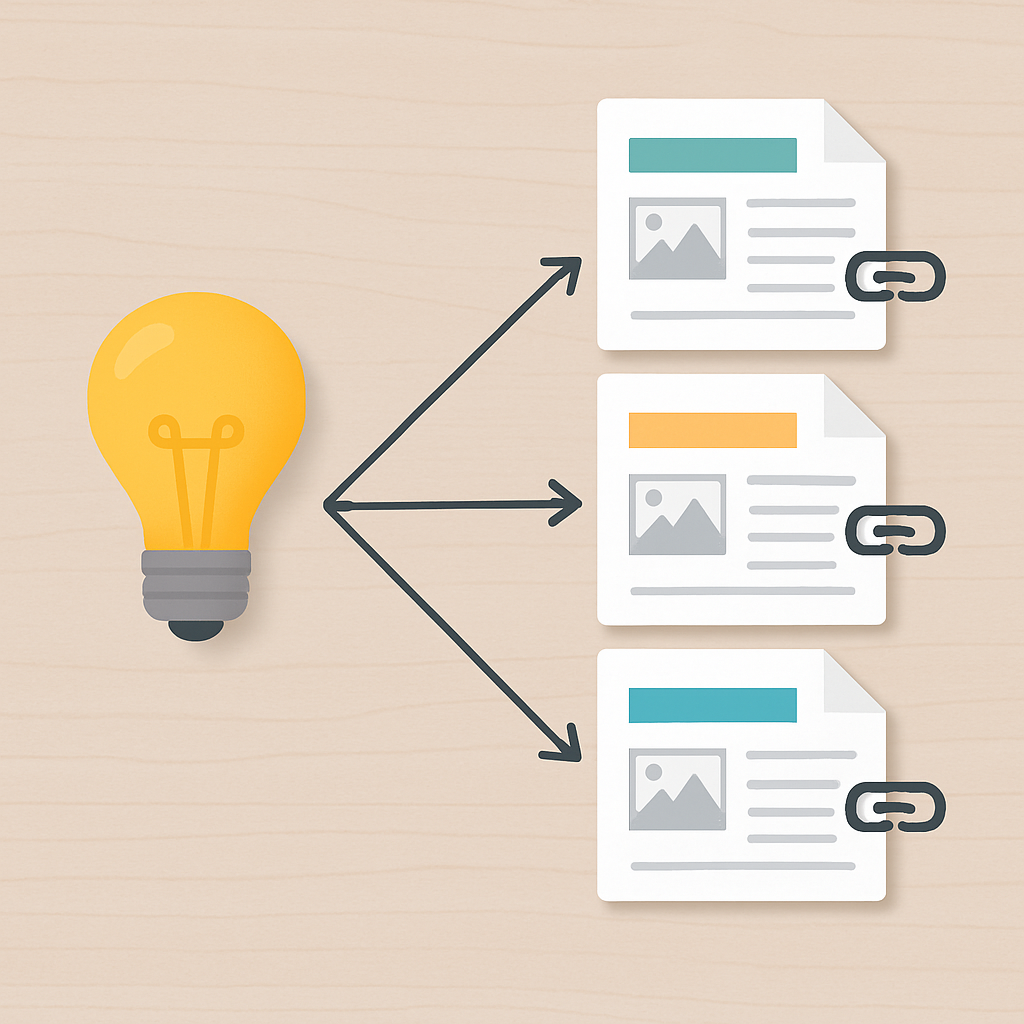
Now, let’s imagine the flip side: a blog packed with disconnected posts on whatever pops into your head that week. If a new reader stumbles onto your site, they’ll probably wonder what you actually focus on—or if you’re even an expert in anything at all. Over time, this lack of focus doesn’t just confuse readers, it chips away at your search rankings and damages your credibility. But if you zero in on a big, compelling idea—say, “zero waste living”—every single article you write adds another layer to your expertise. Whether you’re covering composting tips, eco-friendly shopping, or homemade cleaning hacks, your blog quickly earns a reputation as the go-to resource for that subject. That’s how you build lasting trust.
What’s more, sticking to one idea helps everyone breathe easier. As creators, we get clarity and direction, making it simpler to plan, write, and share our work. Readers, on the other hand, appreciate the clear progression and how topics tie together—it’s easier for them to follow along, dive deeper, and recognize your blog as a place worth coming back to. At the end of the day, this is all about working smarter, not harder, and building a solid foundation for long-term growth.
Mapping the Content Web: Breaking Down One Idea Into Multiple Angles
Alright, let’s get hands-on for a second. Say our core idea is “remote team productivity.” Instead of writing a single mega-post and calling it a day, we dig deeper and look at every angle this topic might offer. We start by asking: what are the burning questions or common headaches our readers have around remote productivity? What tech tools really help? What pitfalls slow things down? How do you keep a team united when everyone’s clock is different? Each answer is an opportunity—a separate blog post just waiting to be written.
This is where we whip out a mind map or a trusty spreadsheet and start jotting down every possible subtopic, challenge, or fresh take we can come up with. It’s more than a quick brainstorm—it’s about identifying both evergreen content (the kind that never goes out of style) and timely posts that tap into what’s happening right now. For example, “Best Communication Platforms for Remote Teams” is evergreen, while “How Remote Productivity Has Changed in 2024” is tied to the current moment. By mapping out all these different angles, you guarantee your campaign is a mix of in-depth guides, quick wins, opinion pieces, and even real-life case studies. The variety keeps things lively and keeps your readers coming back for more.
We also keep one eye on the competition. Let’s be honest—if other blogs are just skimming the basics while ignoring the trickier, advanced stuff, that’s your chance to deliver something special. A little competitive research ensures every post you create has a distinct angle and a clear audience in mind.
For example, let’s take “remote team productivity” and break it down even further. Start by plugging related phrases into tools like Ahrefs, SEMrush, or simply see what Google suggests as you type. You’ll likely spot keywords like “remote team collaboration best practices,” “avoiding remote work burnout,” “managing asynchronous teams,” or “how to set boundaries when working from home.” Each one could easily become a pillar post or a supporting article, and together they weave a robust content web. Don’t forget to pay attention to your audience directly—surveys, social media, and comments on your existing posts are gold mines for real-life questions and interests that might not turn up in keyword tools.
Adding in case studies and interviews really ups your game, too. Maybe you do a feature titled, “How Acme Corp Increased Remote Productivity by 30%,” pulling insights straight from their team leader. Not only is that packed with practical advice, but it’s also a credibility booster and adds diversity to your content campaign. You might even throw in interactive goodies—think quizzes like “Which Remote Productivity Tool Fits Your Team?”—or downloadable templates for meeting agendas and productivity planners. The more angles you tackle, the richer your campaign gets, and the more opportunities you create to reel in readers from search engines and social media alike.
And here’s a tip that’s easy to overlook: cluster your topics. By grouping related ideas, you’ll spot which subtopics deserve their own mini-series or should be bundled into a large, comprehensive guide. For instance, if “managing remote meetings” is too broad, you might break it down into “Top Tech for Remote Meetings,” “Facilitation Tips for Virtual Teams,” and “Troubleshooting the Most Common Issues.” This granular approach ensures you’re not missing any angles and helps establish you as the ultimate resource on the subject.
Structuring the Campaign: Sequencing and Linking for Maximum Impact
Once you’ve sorted your list of topics, the next move is to get strategic with how and when you publish. Tossing posts up at random isn’t the way to go—you want each piece to build on the last, guiding readers through a well-thought-out journey. Maybe you kick off with an overview post like “Why Remote Team Productivity Matters More Than Ever.” From there, you dive into focused guides on the best tools, healthy habits, or smart leadership tips.
This kind of sequencing doesn’t happen by accident. Each post should reference others in the series, weaving a web of internal links that not only gives your SEO a healthy boost but also keeps readers bouncing from one post to the next. This approach helps you avoid repeating yourself, too—if you’ve already covered time management tips, just link to that article instead of rehashing the same advice. Over time, your blog transforms into a powerhouse resource, with every article reinforcing your expertise from a slightly different angle.
It’s also important to strike a balance between your “pillar” content—those long, comprehensive posts that cover big topics—and your supporting pieces, which zoom in on specific questions or challenges. Pillar posts tend to pull in the broader keyword traffic, while supporting articles give you a shot at those juicy long-tail queries and niche interests. Linking them all together does wonders: readers can easily navigate deeper into your content, and search engines recognize that your site is a complete, authoritative resource.
To keep everything organized, we usually put together a content calendar mapping out exactly when each post will go live. Let’s say you launch with that high-level overview, then roll out a detailed deep-dive into “Remote Work Tools,” followed by a week of quick tips like “Avoiding Distractions When Working from Home” or “Setting Up Your Own Virtual Water Cooler.” Every post links back to the main pillar and to each other, providing a logical, easy-to-follow path for your audience. If someone discovers a supporting article through search, those internal links gently nudge them toward the bigger picture—meaning longer visits and more page views for you.
But here’s the thing: internal linking isn’t just an SEO trick, it’s about creating a great experience for your readers. Imagine someone lands on your blog because they’re battling remote work burnout. If your article on “Recognizing Burnout Signs” links directly to an in-depth “Remote Wellness Strategies” guide and a handy “Productivity Tools” roundup, you’re not just solving one problem—you’re supporting them from multiple angles. That’s how you build trust and keep people coming back for more advice.
This interconnected strategy also makes your content easier to update down the road. If a popular remote work tool is discontinued, you just update the relevant post and tweak the links across your campaign—your entire resource stays fresh and useful. When sequencing and linking are done thoughtfully, your content becomes a self-sustaining ecosystem where each new post strengthens the whole campaign.
Maximizing Each Asset: Repurposing and Promoting Across Channels
If you think the job ends once you hit “publish,” think again. One of the biggest missed opportunities in content creation is underestimating just how much life a single blog post can have. We always ask: how can each piece of content go further? For example, a thorough guide can easily become a handy downloadable checklist, a colorful infographic, or even a snappy video for your Instagram or TikTok. Got a great stat or quote? That’s perfect for sharing on LinkedIn or Twitter. Repurposing content like this multiplies the payoff from your research and writing.
Promotion isn’t an afterthought—it’s baked right into our planning. We try to time posts with relevant industry happenings or seasonal trends to make the most of every opportunity. Teaming up with industry peers for quotes or guest contributions not only builds credibility but also extends your reach. When we’re working on technical topics, we might schedule a live Q&A or a webinar, then turn the recording into an evergreen post or a downloadable resource. The goal is to treat every blog post as a springboard, not a finish line. By slicing, dicing, and sharing your content across multiple platforms, you dramatically extend its lifespan and get way more return on your effort.
Of course, we keep a close eye on the numbers. If a particular post in a campaign pulls in more traffic or engagement than the others, we double down—maybe promote it with a little ad budget, or update it to include fresh insights. Campaigns are flexible like that: you can easily pivot and focus on what’s striking a chord, instead of just guessing what people want.
Let’s say your “Top 10 Remote Work Tools for 2024” post goes viral on LinkedIn. Why stop there? You can spin it off into a comparison chart for Pinterest, a quick explainer video for Instagram Reels or TikTok, or even a downloadable PDF checklist as a freebie to grow your email list. On Twitter, tease out each of the most surprising tools as their own tweets to spark conversation. Over on YouTube, record a demo walking viewers through your top three picks, always linking back to the original article for those wanting more detail. If you’ve got a podcast, invite a guest expert for a chat about how remote work tools have evolved, and don’t forget to mention your campaign throughout.
And let’s not forget about the power of email marketing. Send out a dedicated newsletter with highlights from your content series, or even set up an automated email sequence that walks new subscribers through the campaign in bite-sized pieces. Not only does this drive steady traffic, but it also generates anticipation and helps build genuine relationships with your readers. If you’re in the B2B space, think about running a live workshop based on your best-performing post, then following up with a recording and bonus downloads—each leading straight back to your content hub.
Collaboration is an ace up your sleeve, too. Partner up with influencers, industry groups, or complementary brands to co-create or cross-promote your campaign. Maybe you write a guest post for a big-name remote work blog to funnel targeted readers your way, or co-host a webinar with a favorite software provider to expand your authority and audience. Whatever you create, build a promotional plan for it, tweaking your messaging to fit every platform and make sure it’s relevant and engaging wherever it shows up.
Measuring Success and Iterating for Future Campaigns
The real test of a content campaign isn’t just how a single post performs—it’s about seeing the bigger picture. We keep tabs on metrics like total traffic to the cluster of related posts, how long people stick around, how many click through to other articles, and whether all this effort translates into conversions (newsletter signups, downloads, sales leads—you name it). Before launching, we set clear benchmarks so we can actually measure whether the campaign moved the needle.
After a campaign wraps up, it’s time for a little detective work. Which topics caught fire? Where did readers drop off, or ask unexpected questions in the comments? All this feedback goes into the mix for next time, making our content mapping sharper and more targeted. Sometimes, a post we thought was just supporting content takes off and becomes the anchor for a whole new campaign. Other times, reader questions reveal content gaps we missed on our first pass—giving us a direct line on what to tackle next.
The beauty of this system is how easily it grows. Once you get comfortable turning a single idea into a full-blown campaign, you can rinse and repeat with other key topics in your niche. Your blog evolves into a network of interconnected resource hubs—each one reinforcing your expertise and building a loyal community around your work.
Practically, we lean on tools like Google Analytics and Search Console to get the full picture of how a campaign performs. Let’s say your “remote team productivity” cluster results in a 30% bump in session duration and a 15% uptick in newsletter signups—you know you’re onto something good. We also keep tabs on keyword rankings across the cluster and monitor backlinks to see which pieces are getting attention from other sites. If certain articles are driving more conversions, we dial up the calls to action and refresh them more often to keep that momentum going strong.
Iteration is the secret sauce. After reviewing the numbers, we might revisit posts that underperformed and beef them up with clearer examples, the latest research, or sharper visuals. We also reach out to our readers for direct feedback—through comments, quick surveys, or polls. If folks keep asking about “managing remote teams across cultures,” for example, we’ll add a brand new post to the campaign or expand an existing one to cover that angle. This ongoing cycle of refinement guarantees that our campaigns stay fresh, useful, and on point for our audience.
And one last thing—don’t forget to document everything. After every campaign, we put together a quick post-mortem or mini case study, laying out our goals, strategies, wins, and lessons learned (yes, even the flops). Building this internal knowledge base is a huge help for future campaigns: it makes us more efficient, keeps us from repeating old mistakes, and shines a spotlight on the tactics that deliver real results. Treat every campaign as a learning experience, and you’ll be amazed at how much your content—and its impact—keeps improving.




More Stories
AI Content Creation for Busy Bloggers: How to Work Smarter, Not Harder
Effortless Blogging: How to Publish WordPress Posts Automatically With AI
How We Build Blogs 3x Faster: A Practical Guide to AI Content Automation